In this final installment of this series, I’m continuing to stress that caregiver self-care is important. I’m sharing part of my personal caregiving experience and offering practical information and resources to support other family caregivers in preparing for their caregiving future.
Caregiving crept up on me, and I didn’t think to seek information until others saw me struggling. I don’t want that for you. As always, my goal is to make your caregiving life easier for you and your care recipient. Preparing for the changing seasons of family caregiving and consistently practicing self-care should help avoid some of the pitfalls I experienced. That’s why caregiver self-care is important.
Seasons of Caregiving

Photo by Chris Lawton on Unsplash
From my personal experience while caring for my dad, my sister, and now my mom, here’s how you might be feeling during each changing season of caregiving:
- Spring – Recognizing that caregiving is in your future.
- Summer – Stepping in to help regularly.
- Fall – Actively engaging in daily caregiving activities, and feeling the effects on your personal life and health.
- Winter – You’re bone tired, grieving over so many different things, sad (or even in depression), lonely, and probably afraid of what might come next.
We’ve covered so much in this series. Warning–This time, we’re moving toward the darker, heavier days of the fall and winter seasons of caregiving. Depending on your loved one’s situation, caregiving seasons, both light and heavy, can come and go, sometimes without notice. Things can be going along just fine, then mom takes a tumble, breaks a bone, and you go from spring to fall overnight. That’s a real zinger, I know.
But, as I’ve said before, spring always follows winter, and you can get there in one piece by preparing for your caregiving future. Making self-care, including spritual self-care, a big part of your caregiving life is important, not merely to survive, but to thrive throughout the caregiving journey.
Fall

Photo by Ricardo Gomez Angel on Unsplash
Summer’s lazy days eventually transition to fall. Seemingly overnight, you find yourself up to your elbows in caregiving while juggling family activities, managing your care recipient’s medical and insurance details, making difficult choices, and missing things you dreamed of doing. Your well-being is starting to suffer, your social life is shot, and you’re irritated.
Before you know it, caregiving has escalated to the point where you need qualified, hands-on help. But now you’re too busy to look for it or ashamed to ask for it, and at the same time regret that you didn’t put help in place sooner. Don’t beat yourself up.
You’re suffering from decision fatigue because now you’re managing everything for two households, or maybe you’ve moved your loved one into your home, and now you’re making literally every decision for them.
It’s a lot.
Here’s where a caregiver coach can help. If you don’t have one yet, consider getting one now. They can help you sort things out and prioritize immediate needs and next steps.
Enter burnout and compassion fatigue are real
I’m sorry to be the bearer of more bad news. At this point, resentment may be setting in. Burnout and compassion fatigue aren’t too far behind if you aren’t already dealing with them.
“Caregiver burnout is a state of physical, emotional and mental exhaustion. It may be accompanied by a change in attitude from positive and caring to negative and unconcerned. Burnout can occur when caregivers don’t get the help they need, or if they try to do more than they are able, physically or financially.” (Cleavlandclinic.org)
And don’t forget about compassion fatigue, sometimes called secondary traumatic stress (STS). According to an article on the National Library of Medicine’s website, STS is “the emotional duress caused by indirect exposure to distressing events experienced by others.” Caregivers see it all. We may not feel the pain experienced by a loved one, but we’re attending to it and affected by it in some way, often repeatedly. This repeated exposure to painful and uncomfortable situations can have a profound effect. Why wouldn’t it?
Christine Valentin, LCSW provides this definition: “Compassion fatigue is an extreme state of tension and stress that can result in feelings of hopelessness, indifference, pessimism and overall disinterest in other people’s issues.” (agingcare.org)
And, although it’s a hard step for some of us, before you start sinking, please speak with a therapist or counselor about the effects caregiving is having on your life. We don’t expect to feel this way at the outset of our caregiving journey, but if you find yourself more irritable, resentful, angry, going through the motions of caregiving with indifference, and then feel guilty about it. PAY ATTENTION. It’s probably time to seek professional help.
We all handle stress in different ways. A therapist can help you sort it all out and get through what may be the hardest season of your life. That’s caregiver self-care.
Winter

Photo by Aaron Burden on Unsplash
Winter looms ahead. Have you prepared for your caregiving future? Doing so early on in your caregiving journey can help avoid the pitfalls mentioned above.
Winter days are cold and dark. So naturally, we want to stay wrapped in warm blankets and shut out caregiving responsibilities, but you’re waiting for the other shoe to drop because, by now, you know it might. Right?
The “other shoe” could be a new or escalating illness, a new medication (and its side effects), a fall, a trip to the emergency room, or even a hospital stay. Maybe you injured yourself while caregiving, had to leave your job to care for your loved one, or used up all your vacation time on Dad’s doctor’s appointments. Now what?!
33But seek first the kingdom of God and his righteousness, and all these things will be provided for you. 34Therefore don’t worry about tomorrow, because tomorrow will worry about itself. Each day has enough trouble of its own.–Matthew 6:33-34 (CSB)
At this point in your journey, you’re crossing paths with anticipatory grief.
“Anticipatory grief is defined as grief that occurs before death or loss. You may be grieving several losses, not just one.” (verywellhealth.com)
We grieve the loss of the loved one who’s still here, one that we care for every day. We grieve the loss of the life we didn’t get to live, the lost time with family and friends we can never get back. (Click here to read more on this in Part 1 of Tip #4.)
You don’t have to go it alone
By now, you’re for sure bone tired and maybe a little depressed, lonely, and definitely worried about what might come next. I said this was tough stuff to think about. Though these are real experiences for many family caregivers, we don’t have to go it alone.
First, pray and trust God to know what you need and, more importantly, to provide it at the right time. Then, reach out for help. Speak with your therapist or pastor, for example. For practical matters, try working with your family, care recipient (if they are able), or coach to help determine the best next steps. Here are a few areas to consider:
- Is it time for hospice, palliative care, or in-home help
- Relocate Mom to a care facility
- Plan a funeral
- Pack up a lifetime
- Downsize
- Sell the house
- Prepare legal documents (Advanced directive, will, Power of Attorney, guardianship)
- Or keep waiting
Eventually, their struggle will end, and so will your journey as an active caregiver. But, in the meantime, please, please, please continue to care for yourself because caregiver self-care is important.
And then…
Spring Always Follows Winter
As promised, we’re back to spring, and life begins anew. That’s the way God arranged it. We don’t know why things work out the way they do, but we can trust that God has a plan for you both during and after caregiving.
“Great is his faithfulness; his mercies begin afresh each morning.” Lamentations 3:23 (NLT)
Don’t rush your recovery. Take time to process the grief and rest your mind and body. And when you’re ready, reach out to friends and family. Reconnecting won’t be that difficult if you stay engaged with them.
Important Takeaways
Depending on your current caregiving season (or not), some of this may have been hard to hear. I’ve never been known to sugar-coat hard things. Who has time for that? Thanks for sticking with me to the end of this series. 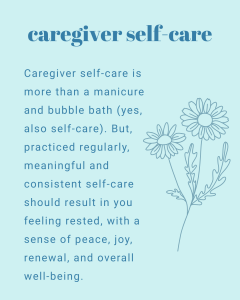
While we can’t run away from hard things, we can train ourselves to be strong enough to manage them.
- Trust God
- Make a plan
- Get help in place early
- Stay engaged with friends and family
- Always take care of yourself
- Know that you have a future
Many more caregiver challenges weren’t mentioned here (believe it or not). But caregiving’s effects on our minds and bodies are relative to our capacity to cope with those challenges. So, keep your wellness appointments on schedule, pay attention to how you’re coping with caregiving, and try to find a balance that you can live with today. Work now to improve your life in the future because it’s waiting for you.
Resources
There is a wealth of government and local resources at your fingertips, so take off your mittens and start Googling!
- 5 Steps for First-Time Family Caregivers
- Cleavlandclinic.org
- Agingcare.org
- verywellhealth.com
- The Stages of Caregiving (Concordia Senior Living)
- A Careful Look At The 3 Stages Of Caregiving
- The 5 Common Stages of Caregiving
- The Stages of Caregiving (Euro Carers)
- Caring for Caregivers Experiencing Secondary Trauma: A Call to Action
- Understanding Burnout and Compassion Fatigue